
- December 12, 2024
Optimizing Mine Rehabilitation and Reclamation—A Case for Early Soil Management and Integrated Planning
At the development stage of most mine sites, soil is often overlooked and, in many cases, treated as overburden. However, salvaging soil during mine construction is a crucial practice that can enhance ecological functions and significantly reduce costs and liabilities going into closure. Given these benefits, soil should be considered a valuable resource, just like the minerals, metals, and other materials being extracted.
In many jurisdictions around the world, including Australia and Canada, salvaging soils is required in order to comply with various regulations. For example, in Canada, soil salvaging and management are mandatory for many rehabilitation and reclamation projects (Natural Resources Canada, 2017).
However, while some sites conduct baseline soil assessments during the initial development phase, projects often progress without conducting subsequent analyses of key materials such as soil and overburden. This lack of materials accounting and characterization can create critical gaps in understanding whether materials on-site are sufficient to meet rehabilitation needs or if additional closure borrow materials must be located.
These oversights are often driven by concerns about incurring costs of soil management too early in the mine lifecycle. However, such decisions in the early phases of the mine life can result in significantly higher expenses and ecological challenges during closure, including difficulties meeting regulatory and environmental requirements.
By integrating soil management into early mine planning, mining companies can maximize the value of soil resources for closure and reclamation, and enable compliance with regulatory and environmental standards.
What is Soil Management?
Soil management involves the planned salvaging and preservation of soil resources before, during, and after mining operations. This practice helps preserve the soil’s nutrients, organic matter, microbial communities, and plant propagules in a physical, chemical, and biological condition that supports ecological restoration and post-closure land use (Natural Resources Canada, 2017).
Importance of Soil Management for Mine Rehabilitation and Reclamation
Healthy soil is the foundation for nutrient cycling, vegetation establishment, plant and animal biodiversity, and ecosystem stability. When properly managed and stockpiled, the use of salvaged soil can directly reduce the time and costs required for rehabilitation and reclamation.
A thorough baseline soil survey that assesses soil suitability for reclamation, fertility, and the presence of contaminants helps identify essential soil characteristics and supports the availability of appropriate resources for effective rehabilitation (NSW Resources Regulator, 2020). Without a thorough baseline survey, additional assessments and soil amendments are often required to support soil health and quality, and extend rehabilitation and reclamation timelines.
Benefits to Soil Salvaging and Management:
- Closure Cost Reduction: Using salvaged soil reduces the need for importing external materials for reclamation or creating suitable growth media at closure.
- Soil Property Conservation: Proper soil salvaging and management help preserve soil nutrients, organic matter, and microbial functions, enabling soil health and quality.
- Facilitates Revegetation: Soil salvaging and management that prioritizes soil health and quality can support the successful re-establishment of native plant species and biodiversity during reclamation.
- Sediment and Erosion Control: Healthy and well-managed soil can improve vegetation growth and stabilize the land surface, minimizing erosion risks.
- Social Performance: Valuing soil as a resource and prioritizing effective soil management reflects a commitment to environmental stewardship. This approach can foster trust with local communities, rightsholders, regulators, and other stakeholders, and enhance a company’s social performance.
Considerations for Effective Soil Management
Effective soil management requires proper site assessment, salvage timing and techniques, and monitoring so the soil remains viable for future land use.
Site Assessment
Conducting a thorough soil baseline assessment is essential to determine the type, depth, quality, and location of soil resources.
Timing for Soil Salvage
It is recommended to salvage soils prior to site activities, especially if those activities are likely to result in degradation such as compaction or rutting (Natural Resources Canada, 2017). It is also important to consider environmental conditions during soil salvage, such as:
- Windy conditions to reduce the risk of wind erosion.
- Wet conditions to avoid compaction, soil mixing, and sedimentation.
- Extreme weather conditions to minimize the risk of soil loss or degradation.
Salvage Depth and Equipment
The depth of soil salvage, timing, and equipment should be tailored to the specific soil types present on-site. The site’s rehabilitation and reclamation strategy will also influence the approach to soil salvage (Natural Resources Canada, 2017). As an example, the required soil salvage depth may be determined by the need to protect root systems and viable plant propagules, which are essential for natural regeneration (Table 1).
Table 1: Assessing the benefits and drawbacks of soil salvage options
|
Component |
Consideration |
Option 1 |
Option 2 |
|
Equipment |
Site type (size, shape, slope), regeneration method/target. |
Crawler tractor/dozer: covers a large area quickly but damages roots and often strips unevenly and mixes soil layers. |
Excavator: strips more slowly but reduces damage to roots and provides greater operator control. |
|
Salvage depth |
Soil characteristics, regeneration method/target. |
Shallow (10–15 cm): concentrates viable propagules and organic matter. |
Deep (20–30 cm): more material available for reclamation and increased root-to-soil contact. |
Soil Stockpiling Practices
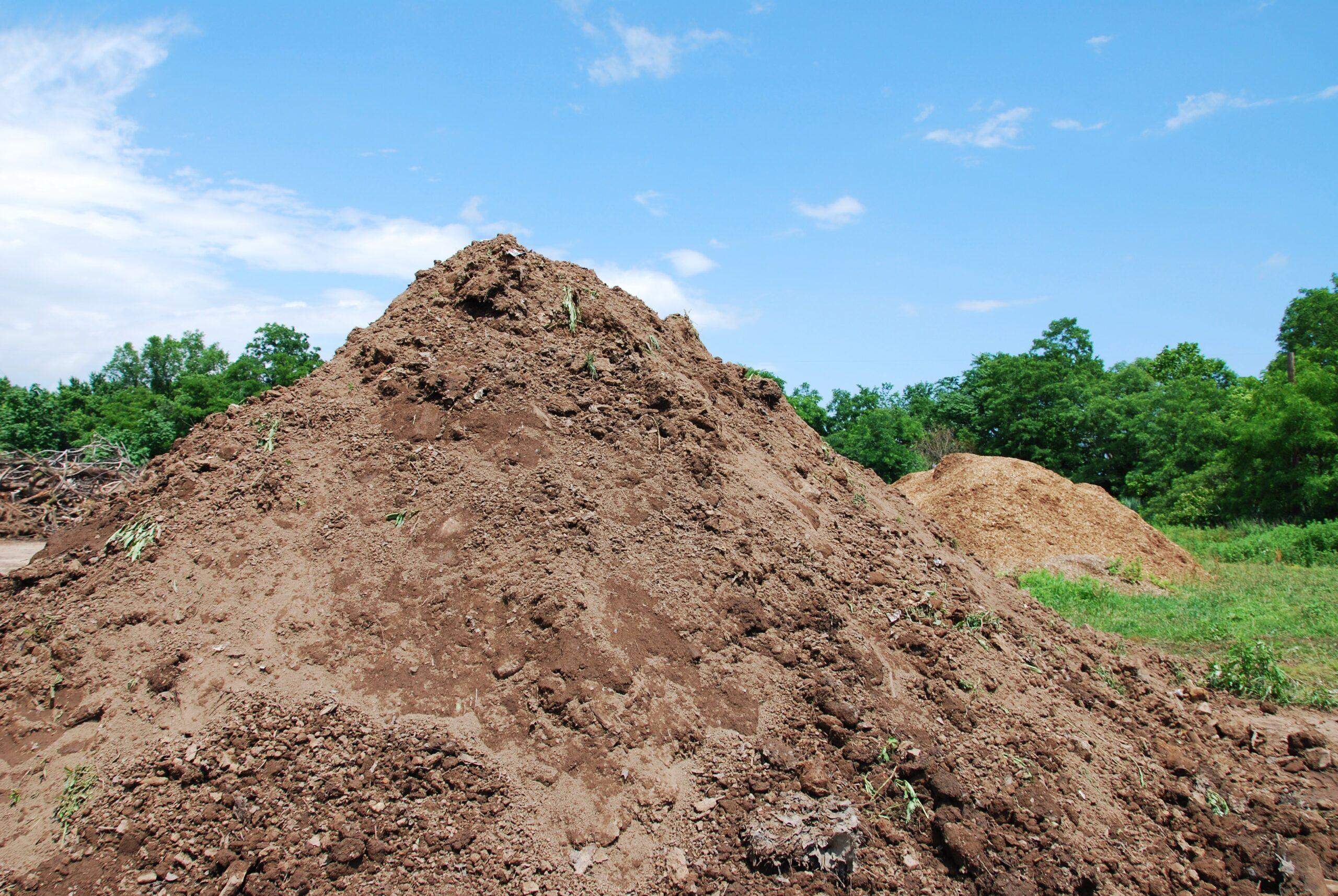
Once salvaged, the soil must be carefully stockpiled and stored until it is ready to be reapplied and spread over the mine site. Improper stockpiling can lead to risks such as degrading soil structure through changes in bulk density and aggregate stability, as well as reducing the microbial communities essential for plant growth (Natural Resources Canada, 2017).
To minimize these risks, best practices should be followed to protect soil structure, seed viability, and organic matter while preventing the growth of competing vegetation (Natural Resources Canada, 2017; NSW Resources Regulator, 2020).
Key best practices for stockpiling salvaged soil include:
- Stockpile Height: Maintain soil stockpiles at approximately six meters high. Soil stockpiles larger than this can promote anaerobic conditions that harm plant propagules, while smaller soil stockpiles may result in premature germination or rotting of propagules.
- Storage Duration: Avoid storing soil stockpiles for extended periods of time without proactive soil management procedures in place
- Material Segregation: Store materials such as woody debris, organic soil, and mineral soil in separate stockpiles.
- Protective Covering: Establish a cover over soil stockpiles to maintain the soil’s biological health and reduce soil loss and weed infestation.
Post-Salvage Monitoring and Vegetation Management
Before reapplying salvaged soil to the site, it is essential to collect and analyze samples from soil stockpiles. This assessment helps identify potential limitations, such as nutrient deficiencies or contamination, that could hinder vegetation growth (NSW Resources Regulator, 2020).
Once the salvaged soil is spread back over the site, ongoing monitoring plays an essential role in supporting the growth of targeted vegetation. Monitoring will also inform vegetation management strategies, especially if invasive weeds or competing vegetation are hindering the growth of targeted vegetation (Natural Resources Canada, 2017).
Okane’s Approach
In previous Conversations on Closure, we explored the role of soil amendments and how they address site-specific challenges, as well as the Western Australian Biodiversity Science Institute’s ecological completion criteria as a framework for assessing rehabilitation and reclamation success. Soil salvaging plays a key role in these efforts, ensuring healthy soil that meets the identified ecological criteria.
Through Okane’s Rehabilitation and Reclamation practice, we help mining companies prioritize soil management from the outset. Our team of ecologists, environmental scientists, and geoscientists assesses vegetation, soil properties, ecosystem function, climate, and local ecological factors to develop site-specific rehabilitation and reclamation plans that integrate and function effectively with the surrounding landscape.
We collaborate closely with clients, regulators, Indigenous rightsholders, and other subject matter experts to align rehabilitation plans with the intended post-mining land use while meeting regulatory standards and minimizing long-term rehabilitation and reclamation liabilities.
To learn more about how we can help you develop soil salvage and management plans, and to explore our rehabilitation and reclamation solutions, contact us at info@okaneconsultants.com.
References
Natural Resources Canada. (2017). A guide to soil salvage: Pre-disturbance steps to improve reclamation outcomes. Publication from the Government of Canada.
New South Wales (NSW) Resources Regulator. (2020). Materials and soil management to support the post-mining final land use. New South Wales Government.